
1953
A Seed Is Planted
CFNIL — known then as the Rockford Community Trust — is founded.

1953
CFNIL — known then as the Rockford Community Trust — is founded.
1969
Over the course of the next 10+ years, the assets of the Trust grow. Grantmaking exceeds $120,000, equivalent to more than $1.1 million today.
1978
The Trust celebrates its 25th anniversary, granting the equivalent of almost $4 million throughout the 1970s.
1980–1989
Thanks to a sizable donation from the Gannett Foundation, the Trust hires its first paid staff members and establishes an office at 333 E. State Street. The Trust grants the equivalent of $6.2 million throughout the 1980s.
1990–1999
The Trust changes its name to the Rockford Community Foundation and launches the In Youth We Trust program thanks to a major donation from the Ford Foundation.
2000
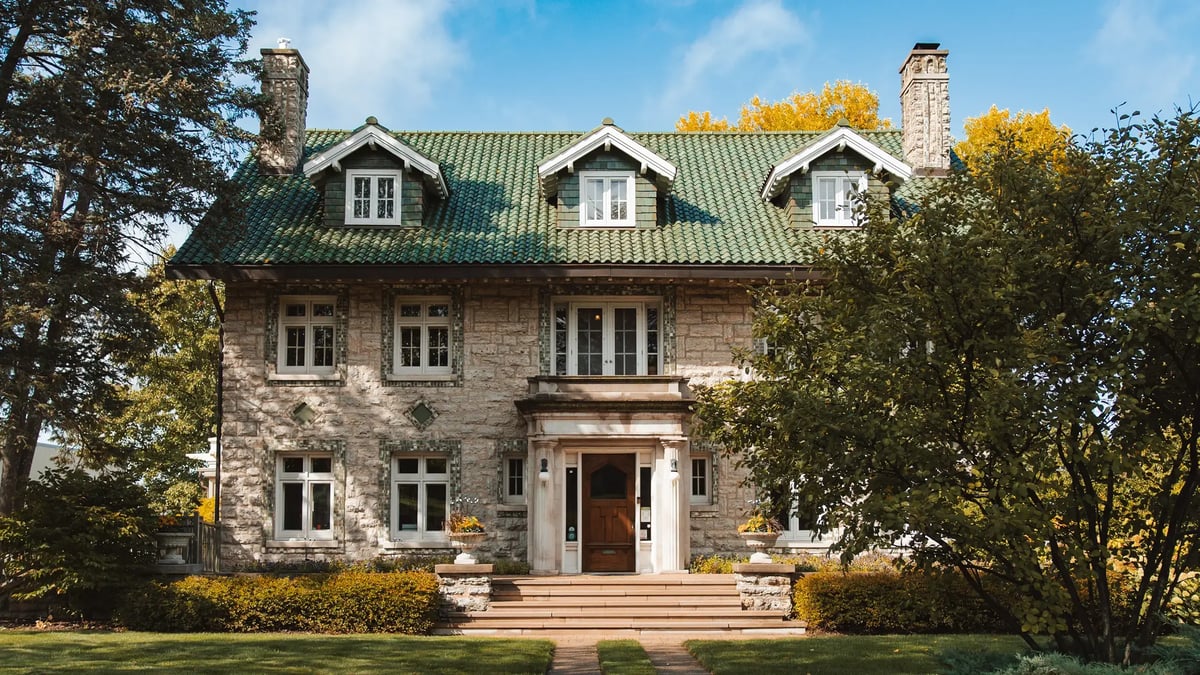
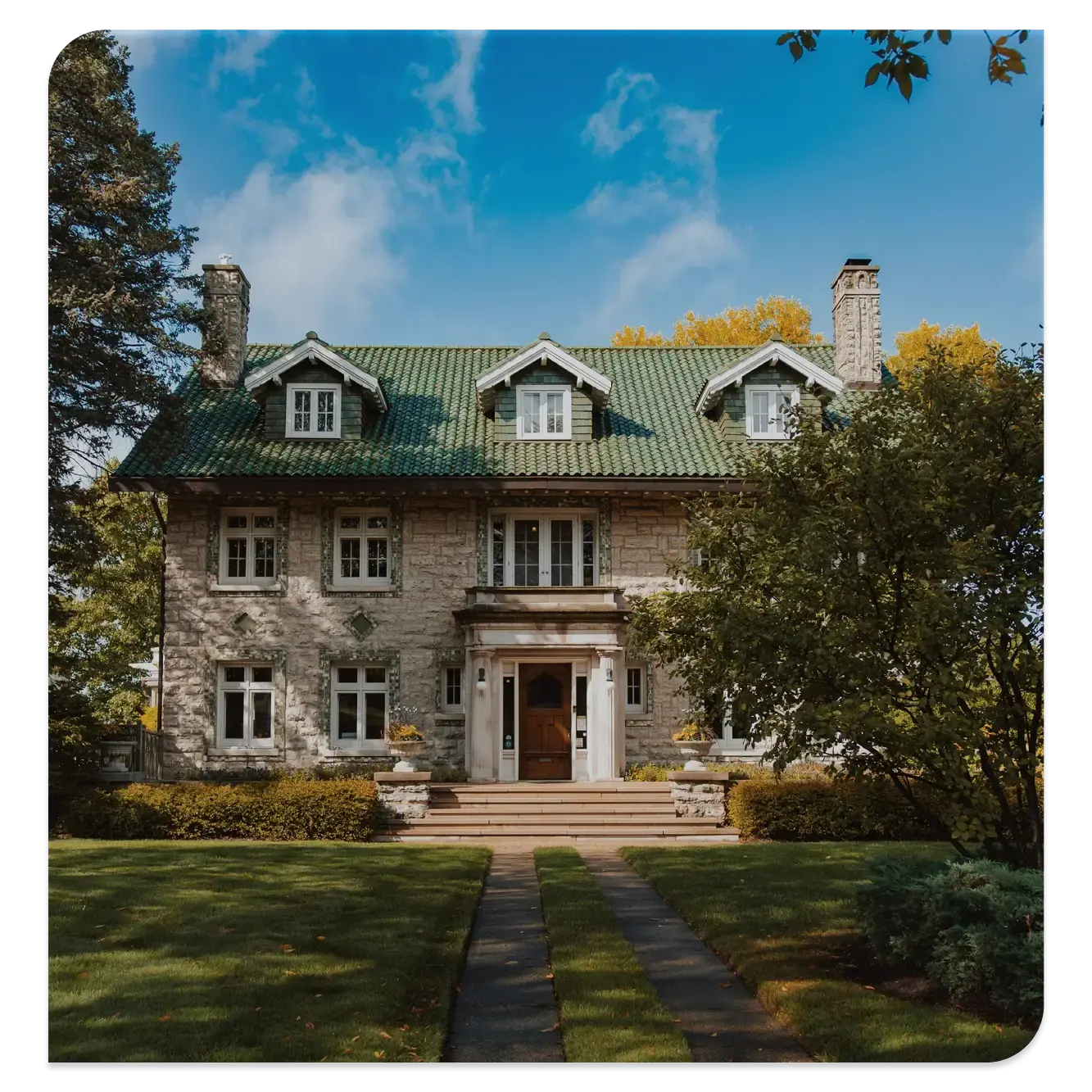
CFNIL purchases Charles and Olga Lundberg’s “Stone House,” restoring the historic landmark before making it their permanent office. Learn more about the history of the Lundberg House.
2000–2009
The Rockford Community Foundation becomes the Community Foundation of Northern Illinois to more accurately reflect the region it serves, encompassing Boone, Ogle, Stephenson, and Winnebago counties. With more than $80 million in assets and 50 years of service behind them, CFNIL establishes the Katrina Fund to raise dollars for the victims of Hurricane Katrina and grants more than $25 million throughout the decade.
2010–2020
Dr. Louis and Violet Rubin bequest their estate to CFNIL, and the $24 million gift allows CFNIL to:
CFNIL makes its largest-ever single grant of $675,000 ($225k/year for three years) for "Linking Talent to Opportunity," a career-pathways-building program at Rock Valley College and Highland Community College.
2020
CFNIL, United Way of Rock River Valley, Northern Illinois Center for Nonprofit Excellence, GoRockford, the City of Rockford, and other partners form the 815 Community Response Team (815CRT) and facilitate a coordinated response to the COVID-19 pandemic.
2023
CFNIL celebrates 70 years of serving the communities of northern Illinois.
2024
Annual awards to local students through CFNIL scholarships exceed $500,000.
- National Register of Historic Places Application